
Software where a crash is not a bug report
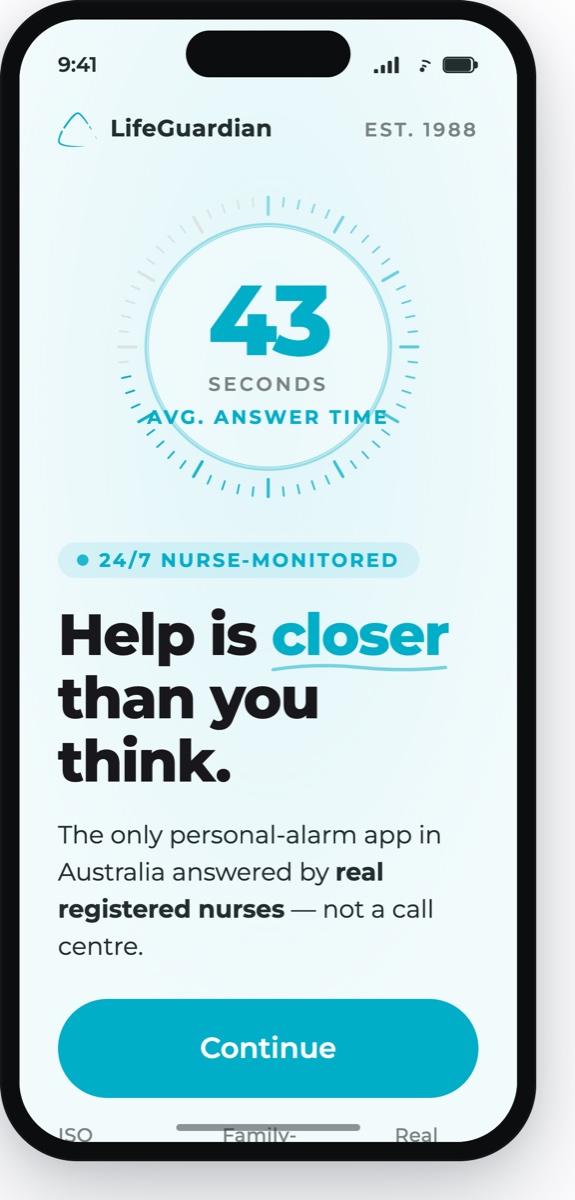
Our client operates a 24/7 personal emergency response service staffed by nurses. Their users are seniors, people with disability, carers and lone workers. When one of them triggers an alert, someone may be having the worst day of their life.
They engaged us to design and build their mobile experience from the ground up. Not a reskin, not maintenance on someone else's code. A new personal safety app for the people they protect, and a new companion app for the family members and professional carers watching over them.
Most software fails politely. This kind can't fail at all: an emergency app that works 99% of the time is a failed product.
Given the freedom to act on the client's behalf
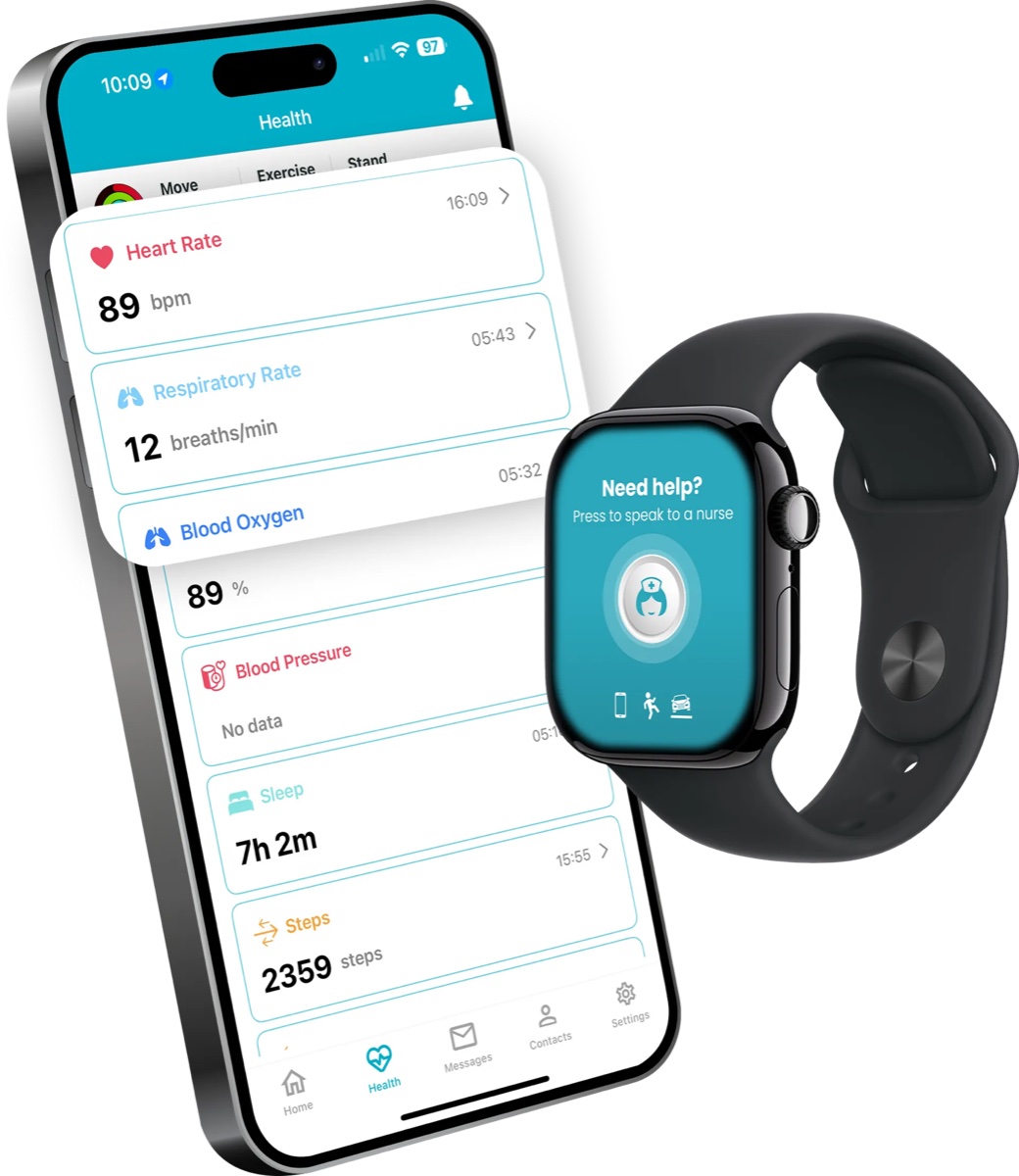
This was not an outsourced ticket queue, and we were never waiting on someone else to tell us what to do next. The client gave us the room to act directly on their behalf, including sitting down ourselves with their high-profile technology partners to work through features and requirements on the pieces where the apps meet hardware and network: the phone app and its Apple Watch companion working together to keep a user safe and their vital signs monitored by a nurse, connectivity behaviour, and how the apps perform on real devices in real conditions.
We brought those conversations back to the client's stakeholders to design and define the feature together, the same way we would on a product of our own. In safety-critical software the hard questions rarely stay inside one company's walls: what happens when the watch loses its phone, when the network drops mid-alert, when the OS decides your app has been in the background too long. Someone has to own chasing down that answer instead of waiting for it to arrive. That was us.
One app for help, one for peace of mind
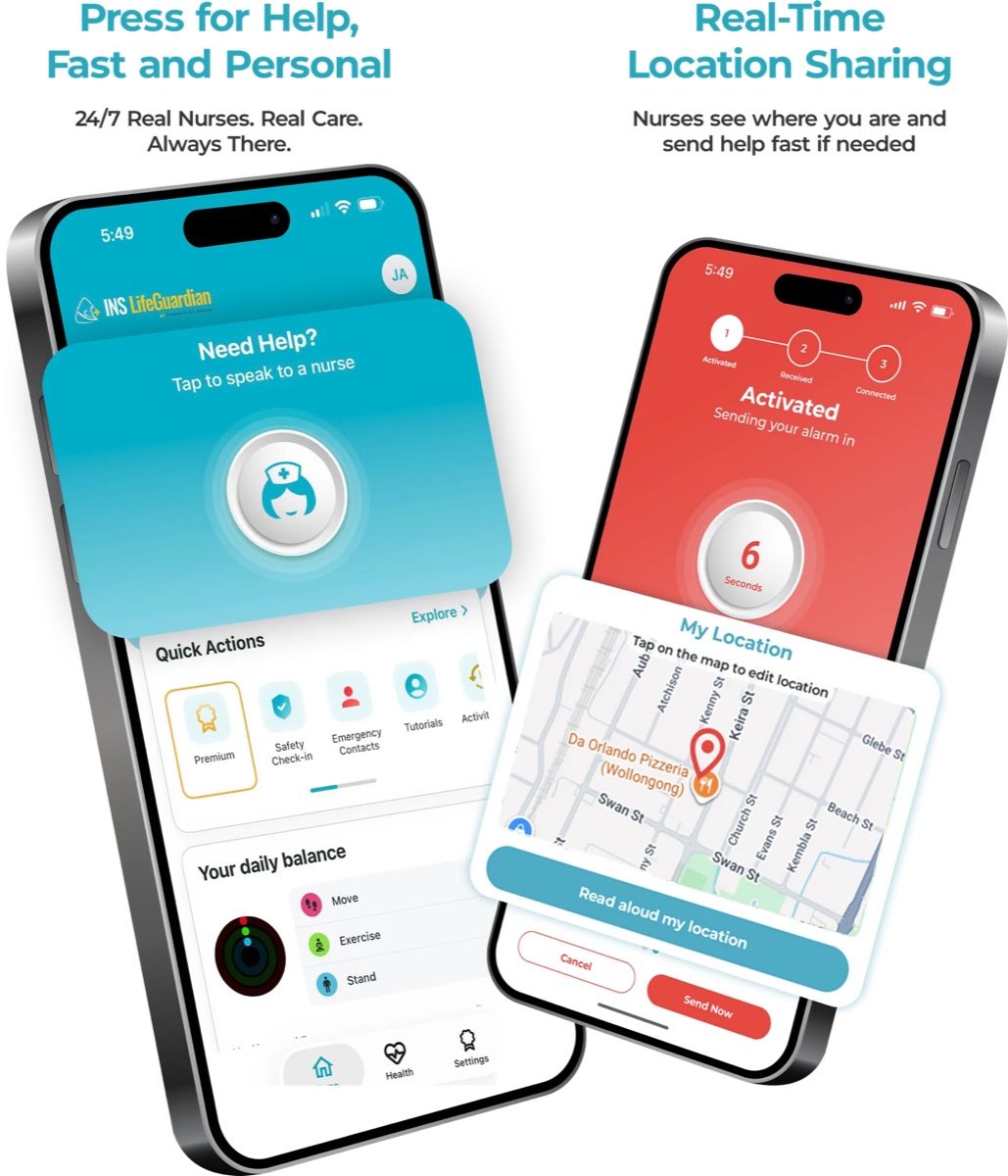
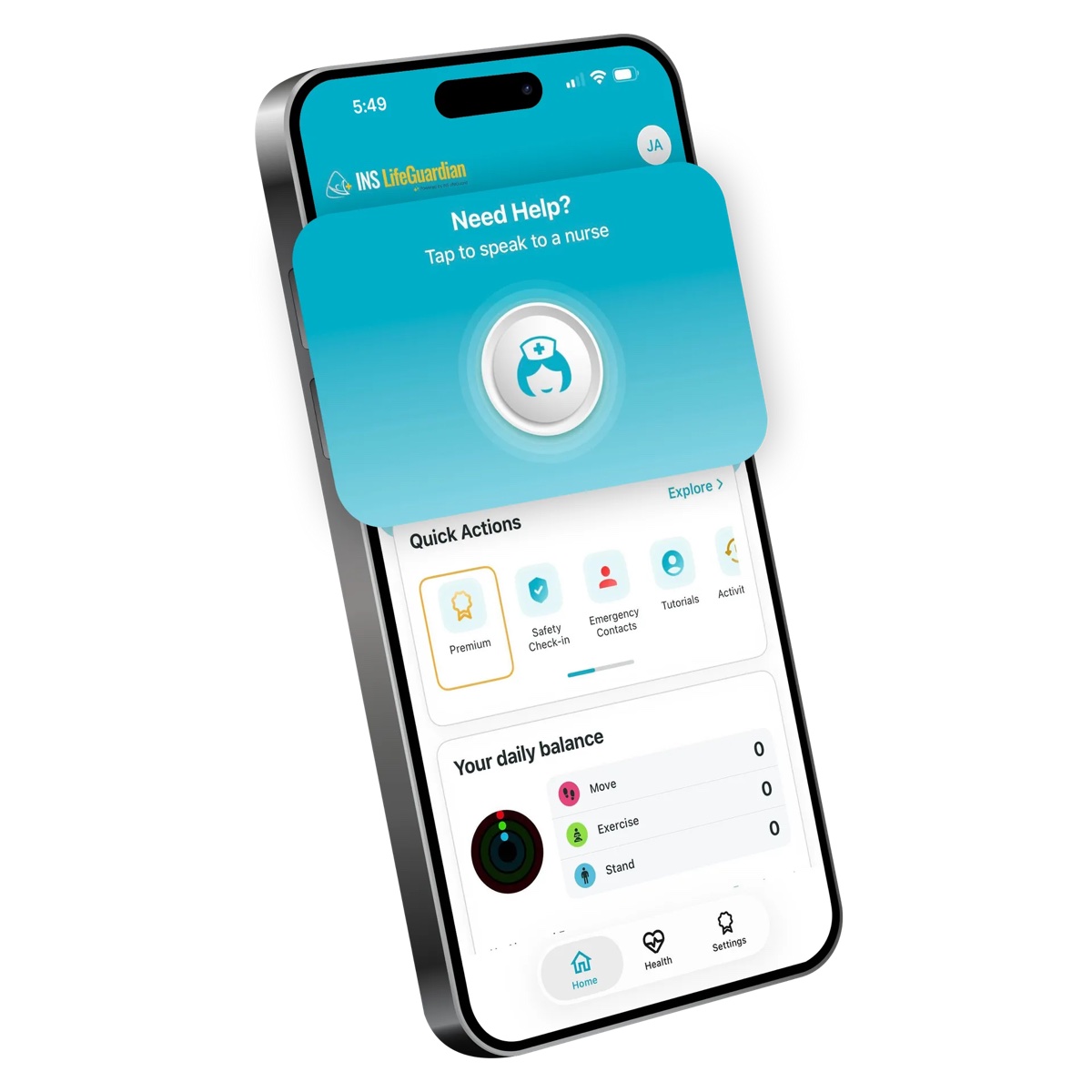
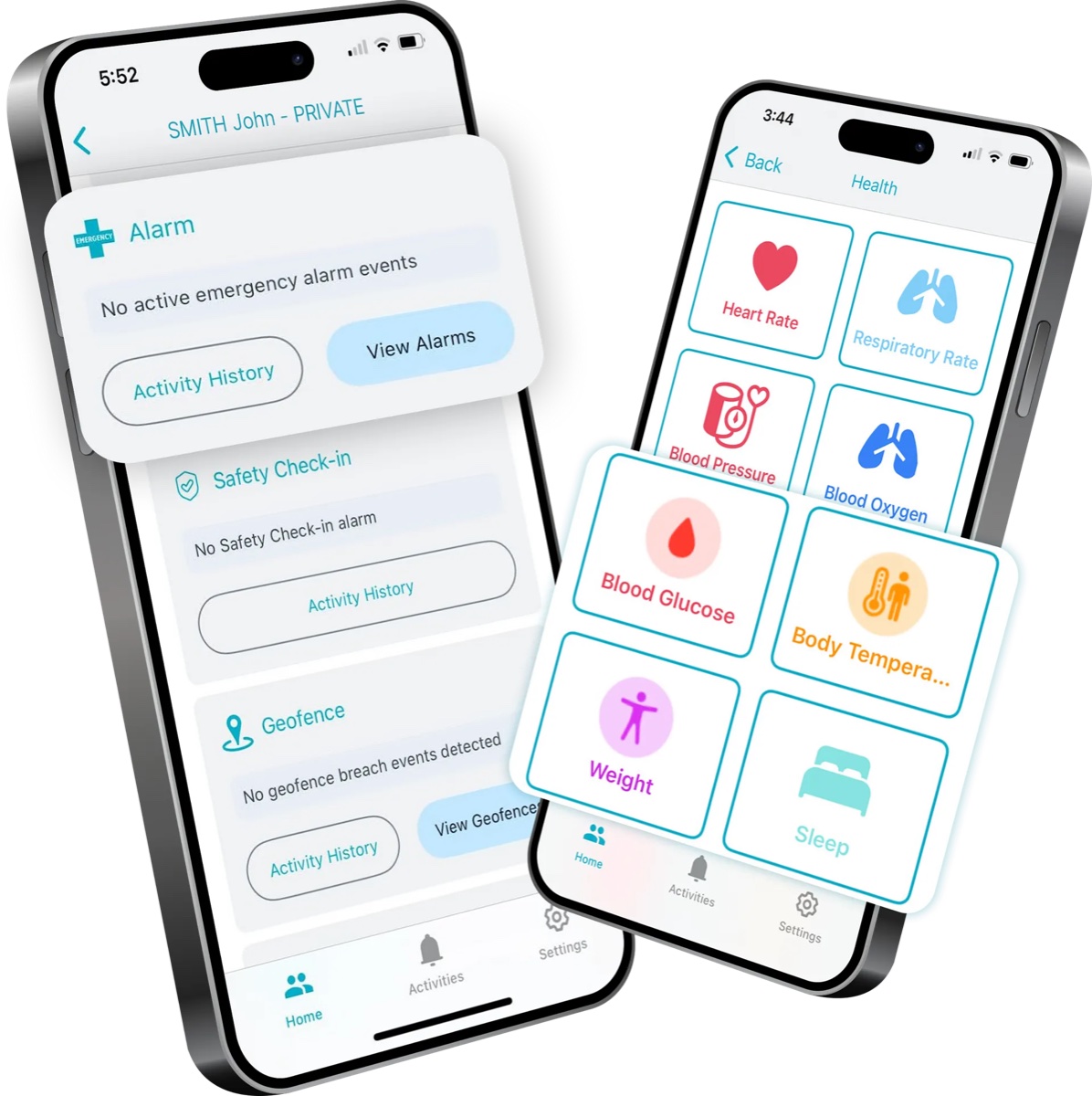
INS LifeGuardian, the personal safety app, puts a one-touch emergency alert in the user's pocket, connected straight to the nurse-staffed response centre. It shares live GPS location with responders, pairs with an Apple Watch through HealthKit so a nurse can watch vital signs from the wrist, and does its most important work quietly in the background, ready for the moment it is needed.
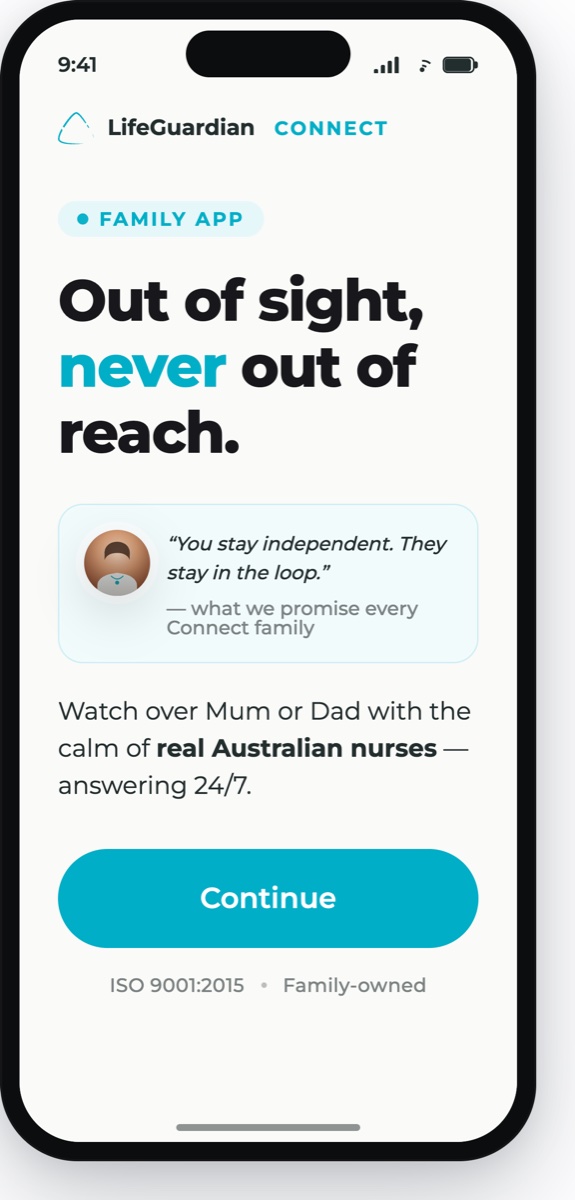
INS LifeGuardian Connect, the carer companion app, answers the other side of the same worry. Family members and professional carers receive real-time alerts and event notifications, so "is Mum okay?" has an answer that doesn't require a phone call at 2am.
What safety-critical actually means day to day
Building for emergencies changes every engineering decision. Background execution and battery discipline get designed, not discovered. Alerts have to survive flaky networks, aggressive OS power management and years-old devices. Health-category app review means documentation and compliance work most app projects never see. And testing means simulating the bad day: dead spots, low battery, interrupted alerts.
Both apps shipped to the App Store and Google Play and are in the hands of users whose families rely on them. It is the work we point to when someone asks whether a small studio can carry serious engineering. Small team, yes. Small stakes, no.