The version that worked, until it couldn't
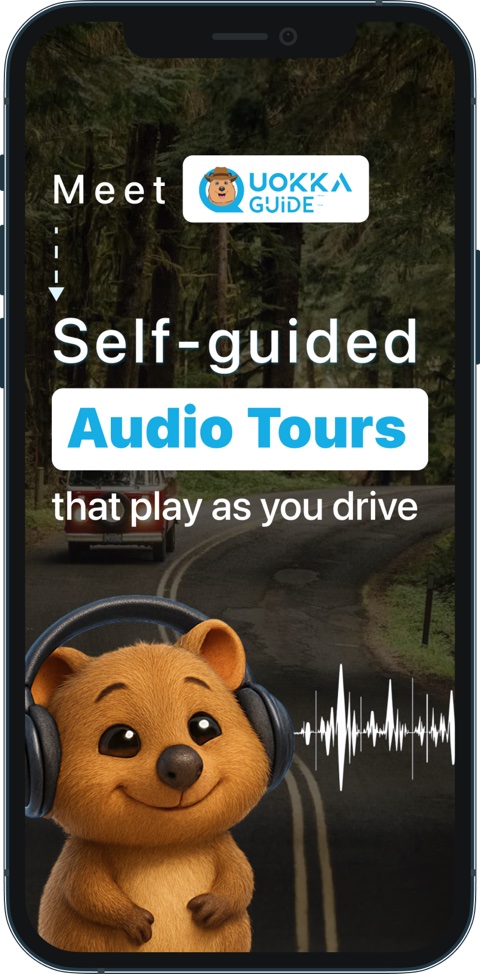
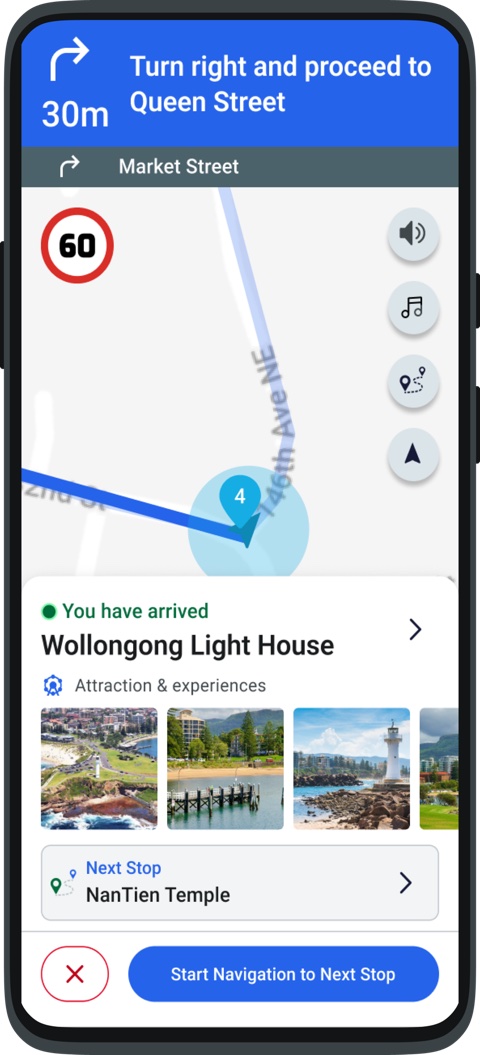
QuokkaGuide started the way most products start: with the version that made sense from the inside. A self-guided audio tour app. You drive the Grand Pacific Drive or walk through a heritage town, and the right story plays at the right spot, hands free, triggered by GPS. Offline, with music under the narration, and nothing to tap while you drive.
We built the whole first system around one assumption: we would make the tours. Recording pipeline, tour builder, mapping tools, publishing flow. All designed for a small in-house team of writers and narrators. The tours we shipped were good. The app worked. Early feedback was warm.
Then we sat down to plan the second region, and the assumption fell apart.
The chicken-and-egg problem every marketplace founder meets
Tours only sell where tours exist. Tours only existed where we could research, write, record and road-test them ourselves. We live in the Illawarra, so QuokkaGuide was, in practice, an Illawarra app. Every new region meant someone from the team spending weeks on the ground, and no amount of polish in the codebase changes the economics of that.
You cannot realistically create and test great tours for places you don't live. We tried. The maths never worked.
This is the point where a lot of funded startups keep spending to brute-force their way through. We could not, and honestly, that constraint saved us. It forced the real question: if we can't make enough tours, who can?
The pivot, and what it actually cost
The answer was locals. People who know their town's stories better than any visiting writer ever will. So the business model changed: QuokkaGuide became a platform where anyone can create and sell tours, in any market, and we run the marketplace.
On a slide, that is one sentence. In the codebase, it rebuilt almost everything. Accounts and permissions, the tour data model, payments and creator payouts, moderation, onboarding, creator tooling that had never needed to exist. We went through more MVPs than we like to admit, and we burned real money building things twice because the requirements kept moving underneath us as the model settled.
First-party tour app
GPS-triggered playback, offline audio, our own tours. Built for a team of one narrator: us.
Growth stalls at the region border
Creating tours for places we don't live proves slow, expensive and unconvincing. New regions stall.
Creator marketplace
Anyone can author, voice and sell a tour. Payouts, analytics and moderation replace our internal-only tooling. Multiple MVP passes before it held together.
AI creator stack
An AI writing assistant and AI voice narration remove the two blockers that stop locals from becoming creators.
Platform live, growth systems running
Apps, creator studio, marketplace and admin in production, with automated marketing behind them.
Two problems AI genuinely had to solve
The pivot created its own problem. Locals know their places, but two things kept stopping them from publishing tours. We invested in research and built AI for exactly those two blockers, and nothing else.
They know the stories, but not how to write them. Knowing every corner of your town is not the same as writing forty minutes of narration people enjoy. So we built an AI writing assistant into the creator studio. It researches the place, drafts scripts and stop descriptions in the creator's chosen voice style and theme, then fact-checks its own work against sources before handing the draft to the creator. It never publishes anything on its own. The creator stays the author; the AI does the heavy lifting.
They have the knowledge, but not the voice. Most people don't like their recorded voice, and hiring a voice actor for every tour update is out of reach for a hobbyist creator. So creators can narrate with studio-quality AI voices, or clone their own voice once and have every tour, and every future edit, spoken in it.
Those two features turned "locals could theoretically make tours" into locals actually making tours. That is the test we hold AI features to, on our product and on client projects: it has to remove a real blocker, not decorate a pitch deck.
What runs today
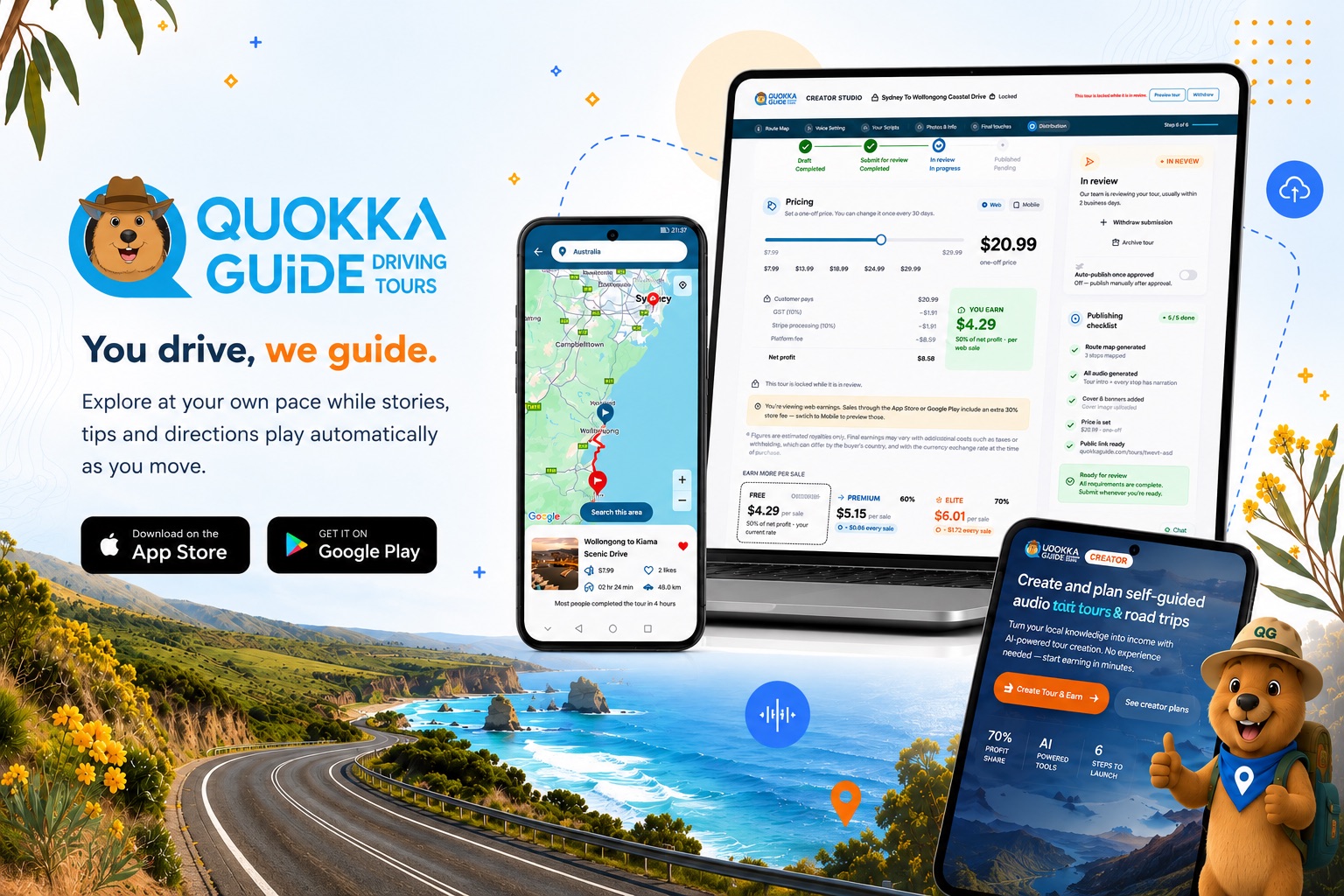
QuokkaGuide is now a full platform we design, build, operate, support and market every day. One shared codebase ships the iOS and Android apps with offline, GPS-triggered playback. The creator studio runs on the web with the AI writing assistant built in. The marketplace handles listings, purchases and payouts, with creators earning up to 70% on their tours. An admin console covers moderation and operations.
Behind it sit the growth systems we built for ourselves, which became case studies of their own: an AI social content engine and an AI lead and outbound engine.
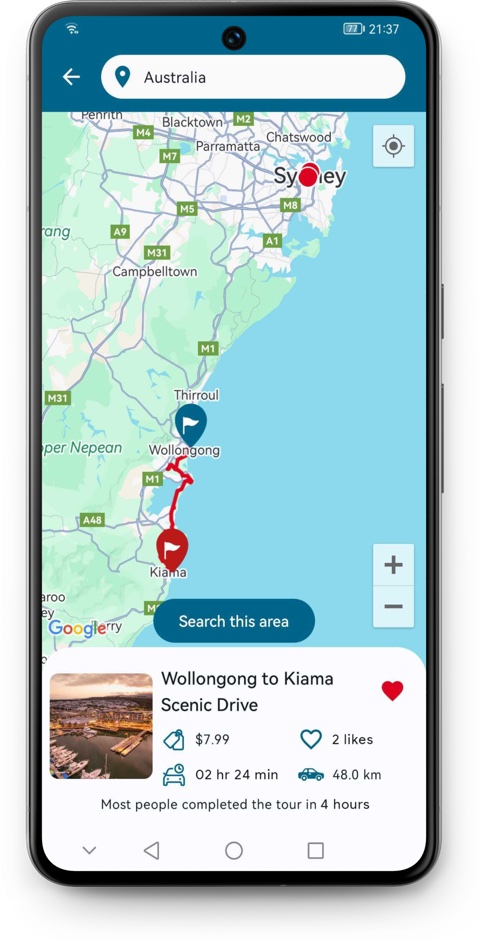
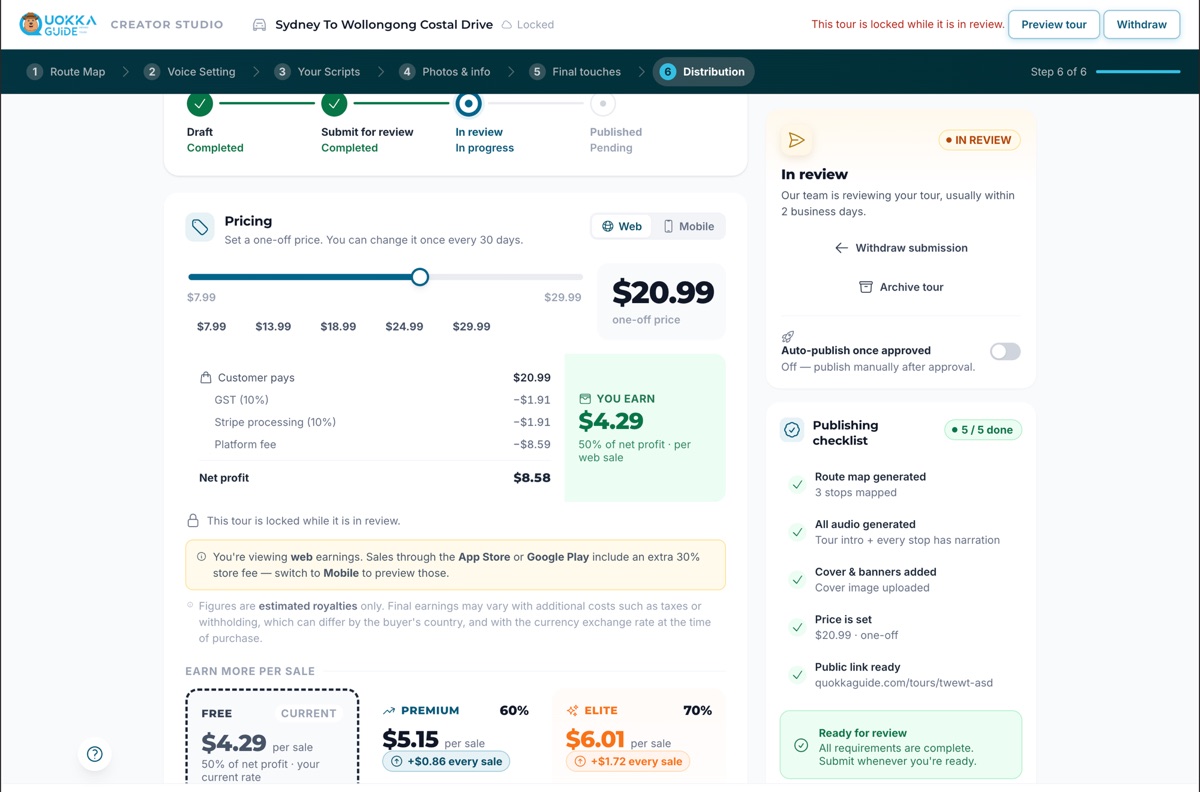
Web studio where creators write, voice, price and publish tours with the AI assistant alongside.
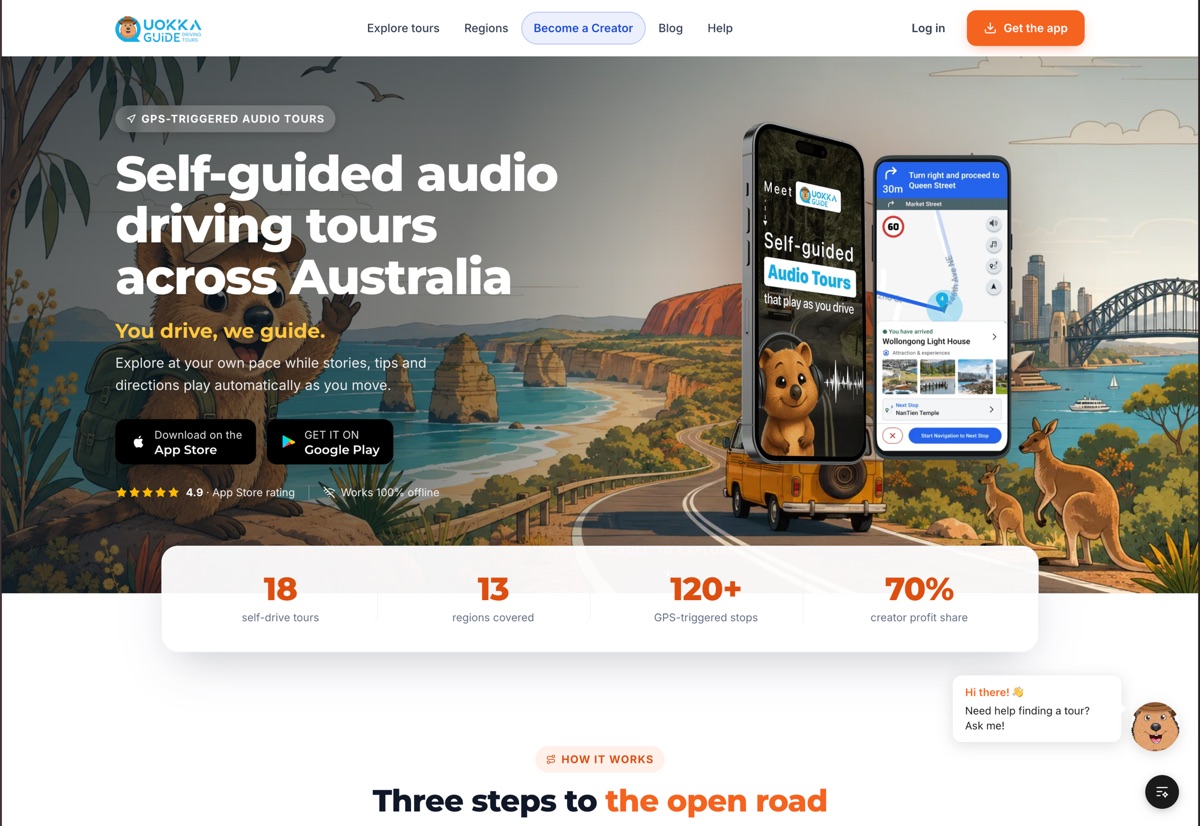
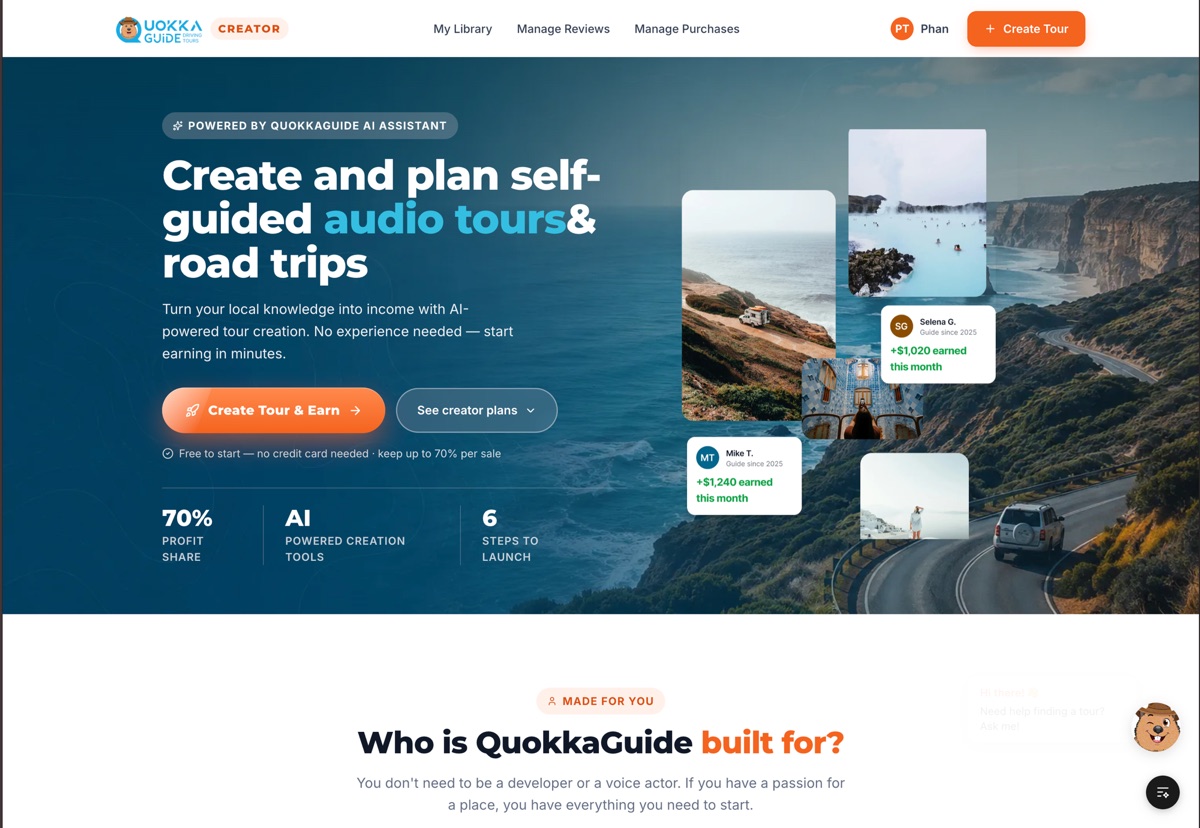
The consumer and creator-recruiting sites that feed both sides of the marketplace.